Your Cart is Empty

Does Your Dog Have
✔ A Dry, Crusty Nose?
✔ Is Top of Nose Dry?
✔ Nasal Hyperkeratosis?

Does Your Dog Have
✔ Thick Elbow Calluses?
✔ Callused Hocks
✔ Pre-Callus Areas?

Does Your Dog Have
✔ Rough, Dry Paws?
✔ Sensitive Paw Pads?
✔ Extra Dry Paw Tissue?

Does Your Dog Have
✔ Skin Irritations?
✔ Scratches & Scrapes?
✔ Rashes? Abrasions?

Try It All!
✔ Mix & Match
✔ Tins & Tubes
✔ Any Combo of Products

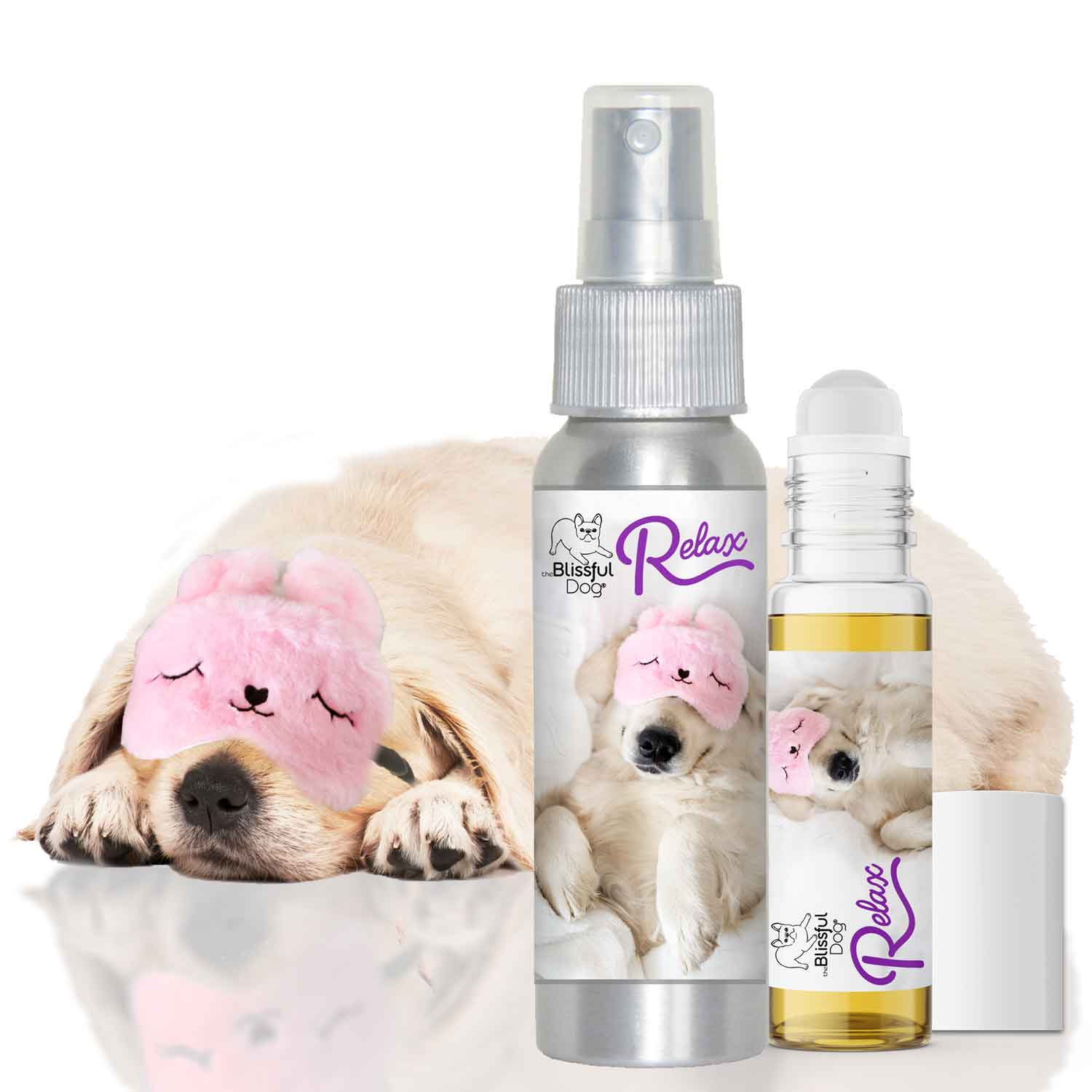
Relax Dog Aromatherapy Calms Your Anxious Dog
Relax Dog Aromatherapy gently soothes your scared, stressed dog using all-natural essential oils
Age Well Aromatherapy For Your Dog's Aging
Age Well calms your senior dog's agitation and confusion, keeping them in the present moment.

Focus Dog Aromatherapy Chaos to Concentration
Helps hyperactive, wound-tight, inattentive dogs pay attention for short periods (classes etc.)

Even Big Dogs Can Be Afraid of Thunder, Fireworks or Being Alone


If your dog’s nose has started to look dry, thick, crusty, or almost scaly, it’s easy to jump straight to worry. Is it painful? Is it serious? Did I miss something?
Take a breath. You’re not alone—and in most cases, neither you nor your dog has done anything wrong.
Nasal hyperkeratosis is a common condition in dogs, particularly as they age, depending on breed and environment. It can look dramatic, but it’s usually more of a comfort issue than a medical emergency.
Let’s break it down in plain English.
“Nasal hyperkeratosis” is a fancy way of saying your dog’s body is producing too much keratin on the nose.
Keratin is the same protein that makes up hair and nails. When it builds up too quickly on the nose, it doesn’t shed the way it should. Instead, it hardens.
The result?
A dry, rough texture
Thickened or crusty skin
A nose that may look cracked, flaky, or uneven
A helpful way to think about it: it’s similar to a callus—just in a place that really isn’t meant to have one.
There’s rarely one single cause of nasal hyperkeratosis. Instead, it tends to show up due to a combination of factors.
Environment (arid or dry climates, dry winter air)
Low humidity in the home (forced-air heat, wood stoves, etc.)
Certain medications
Some illnesses or underlying conditions
Breed or breed-type predisposition
As you can see, your dog’s dry nose is usually not the result of anything you, the breeder, groomer, or anyone else has done wrong—or didn’t know to do.
It’s simply something that occurs in some dogs.

Most cases of nasal hyperkeratosis are primarily cosmetic and mildly uncomfortable at worst. However, it’s still important to know when to pay closer attention.
You’ll want to talk to your veterinarian if you notice:
Cracks that bleed or seem painful
Sudden or rapid changes in texture
Swelling, discharge, or sores
Behavior changes (lethargy, loss of appetite, sensitivity to touch)
When hyperkeratosis develops slowly and your dog is otherwise happy and healthy, management and comfort are usually the focus—not aggressive treatment.
Your dog’s nose isn’t just skin—it’s a highly specialized sensory organ.
Moisture on the nose helps trap scent particles and enhances your dog’s ability to interpret smells. When the nose becomes overly dry or crusted, that incredible sniffing power can be dulled.
Some dogs are born with extraordinary scenting ability, while others… not so much.
If you’ve ever wondered how your dog’s nose actually works, which breed has the #1 best sniffing nose, and which has the worst, you can learn more here:
The goal with nasal hyperkeratosis isn’t perfection—it’s comfort and function.
A few important guidelines:
Never peel, pick, or scrape the buildup
Focus on softening and conditioning, not removing overnight
Consistency matters more than quick fixes
Supporting your dog’s environment can also help:
Increase humidity during dry months
Ensure good hydration
Be mindful of indoor heat sources that dry the air
For many dogs, a conditioning balm designed specifically for noses can be incredibly helpful.
A product like Nose Butter works by softening hardened keratin, supporting the natural moisture barrier of the nose, and making your dog more comfortable—especially in dry climates or during winter months.
The key is gentle, regular application. Think maintenance, not magic. When used consistently, it can help keep the nose flexible, protected, and better able to do what it’s meant to do—sniff.
With gentle, regular care, most dogs remain perfectly comfortable and live long, happy lives with nasal hyperkeratosis.
A dog’s nose is more than just how they look—it’s how they experience the world.
When conditions like nasal hyperkeratosis interfere with that, gentle, intentional care can make a meaningful difference.
Supporting nose health isn’t about chasing perfection. It’s about helping your dog feel better, function better, and enjoy life more fully.


